
Our Blog
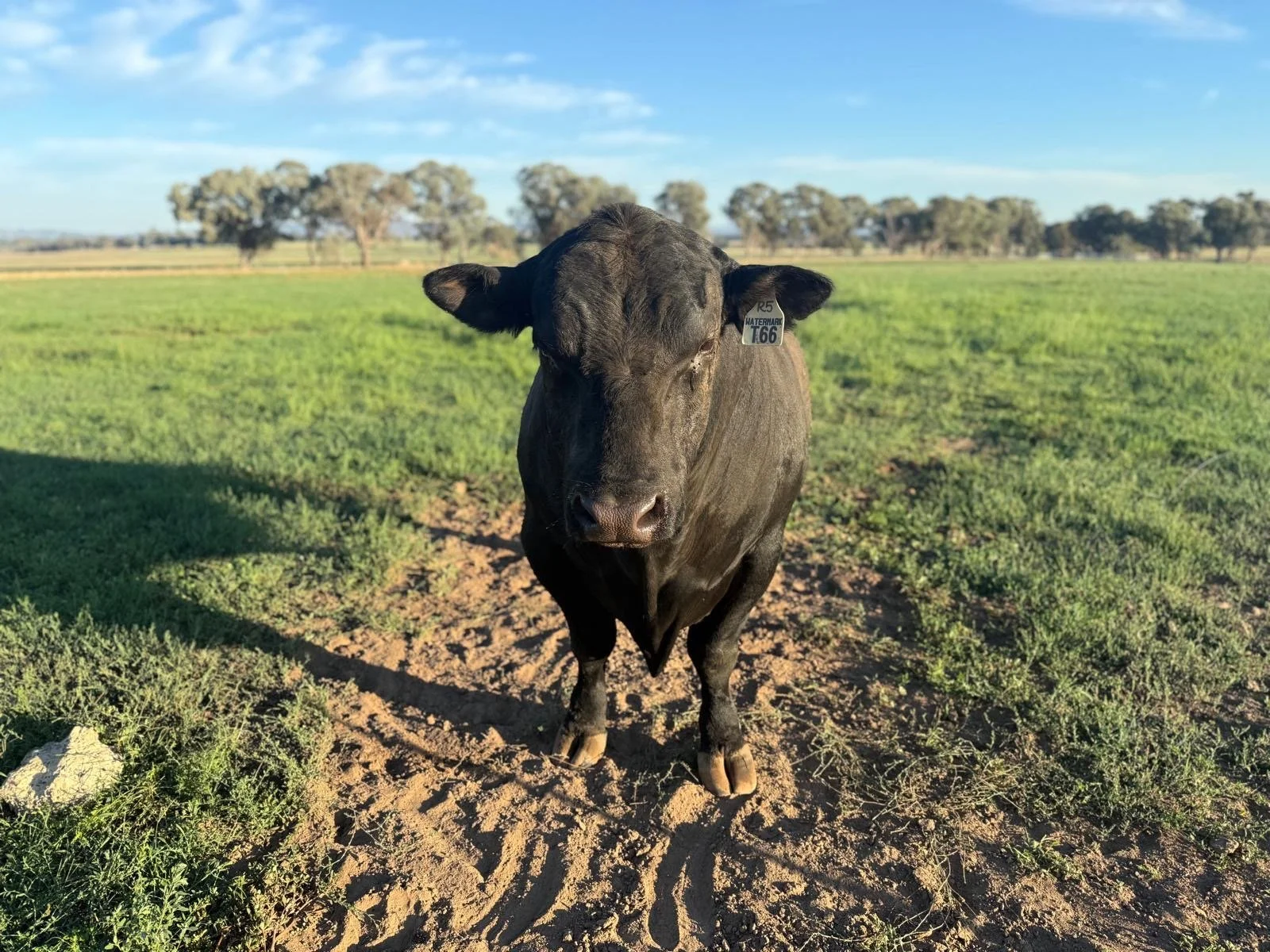
Fixed Time AI: Control Your Joining
October 2026 - North East Farmer - Dr Matt Boon
Fixed Time Artificial Insemination (FTAI) gives producers control over joining — and October is an ideal time to leverage spring pasture growth.
FTAI allows tighter calving windows, improved genetic gain and better labour planning. Synchronised cows calve earlier, rejoin more reliably and produce heavier, more uniform calves.
Modern programs are practical for commercial herds, not just studs. When nutrition, BCS and management are aligned, conception rates are highly competitive with natural joining.
FTAI also reduces bull pressure and allows strategic use of high-value genetics without buying additional bulls.
Warby St Vets design and deliver FTAI programs, provide AI services and help assess whether your herd is suitable for synchronisation.
Better timing means better outcomes.
Colostrum: Four Hours That Matter for Life
August 2026 - North East Farmer - Dr Matt Boon
A calf’s immune system is born empty. The only chance it has to acquire protection is through colostrum — and timing is everything. The first four hours of life are critical.
Calves that don’t drink promptly have dramatically reduced antibody absorption, even if they feed later. Cold weather, dystocia, weak calves or poor mothering all increase the risk of failure of passive transfer.
If a calf hasn’t suckled within four hours, intervention is essential. Tubing colostrum isn’t a failure — it’s good management. Stored frozen colostrum from healthy cows is invaluable.
Good colostrum management reduces calf scours, pneumonia and mortality, and improves growth rates long after the calving paddock.
Watch calves closely in August calving herds, particularly during cold, wet weather. A calf that looks “fine” but hasn’t fed is still at risk.
If you’re unsure when or how to intervene, Warby St Vets can provide practical guidance, tubing training and advice on colostrum quality and storage. Strong calves start with timely colostrum.
Black Scour Worm
July 2026 - North East Farmer - Dr Matt Boon
Cold weather doesn’t mean parasite-free cattle. In NE Victoria, winter conditions still support worm burdens, particularly in young stock. The Black Scour Worm is a key culprit, causing poor growth, scouring and reduced feed efficiency.
Unlike summer parasites, Black Scour Worm often flies under the radar. Calves and weaners may look “okay” but fail to perform. By the time obvious scouring appears, production losses have already occurred.
Strategic worm control relies on testing, not assumptions. Worm Egg Counts (WECs) allow you to identify which mobs actually need treatment, reducing unnecessary drenches and slowing resistance development.
Over-drenching is a growing problem. Blanket winter treatments without testing accelerate resistance and shorten the effective life of key products.
July is an excellent time to screen young stock and review drench efficacy if cattle were treated earlier in the season.
Warby St Vets can organise WEC testing, interpret results and help design targeted parasite programs that protect performance without overusing drenches. Smart parasite control is about precision, not routine.
Grass Tetany: A Silent Risk for Autumn Calvers
INSURANCE YOU CAN’T SKIP
June 2026 - North East Farmer - Dr Matt Boon
Grass tetany is a real and often underestimated risk for autumn-calving cows during late autumn and early winter in NE Victoria. Cold, wet conditions and rapidly growing pasture can create the perfect storm for magnesium deficiency.
High-risk cattle include older cows, heavy milkers, and cows grazing lush, potassium-rich pasture with low magnesium availability. Early signs are subtle — nervousness, muscle twitching, reduced appetite — before progressing to collapse and sudden death.
Prevention is far more effective than treatment. Magnesium supplementation should begin before risk periods, not after losses occur. Options include magnesium lick blocks, water supplementation or dusting pasture with magnesium products. Each system has pros and cons depending on herd behaviour and infrastructure.
If you’ve had tetany losses before, your risk is higher again this season. But even herds without a history can be caught out under the right conditions.
Assessing risk isn’t guesswork.
Warby St Vets can help evaluate pasture conditions, cow risk factors and supplementation options to design a prevention plan that fits your operation.
A phone call now can prevent dead cows later.
Preg Testing
DON’T FEED PASSENGERS THROUGH WINTER
May 2026 - North East Farmer - Dr Matt Boon
May is the time to find the cows that are costing you money. For many NE Victoria beef herds, joining has finished, calves are growing, and winter feed pressure is just around the corner. Preg testing now gives you the information needed to make smart decisions before feed becomes expensive and paddocks tighten up.Empty cows are not neutral — they are passengers. Every dry cow carried through winter consumes feed, labour and space that could be used by productive breeders or sale stock. Identifying empties early allows timely culling, targeted feeding and better budgeting before seasonal pressure hits.
Preg testing also tells you more than simply “pregnant or empty”. Foetal ageing can help assess joining performance, identify late-conceiving cows and highlight whether bulls performed evenly across the joining period. A high number of late pregnancies may indicate bull issues, poor cow condition, disease, or nutritional stress during joining.
This is especially important after the summer we've had. Cows that entered joining below target body condition may have cycled late or failed to conceive altogether. First-calvers and older cows are often the first groups to show the problem.
Preg testing is also a chance to make better management groups. Early-calving cows can be prioritised for nutrition, late-calvers can be managed separately, and empties can be sold before they drain winter resources.
If your pregnancy rate is lower than expected, don’t just blame the season. The cause may be bull fertility, cow condition, pestivirus, vibriosis, leptospirosis, trace mineral deficiency or joining management.
Warby St Vets can preg test, foetal age pregnancies and help interpret the results so you can make practical decisions before winter. Don’t feed passengers — know what’s pregnant, what’s late, and what needs to leave.
Bull Pre-Breeding Checks
INSURANCE YOU CAN’T SKIP
April 2026 - North East Farmer - Dr Matt Boon
Bulls are often the most expensive and least checked animals in the herd — yet they carry half the genetic load and determine joining success. April is the ideal time to assess bulls before the breeding season begins. A proper Bull Breeding Soundness Examination (BBSE) goes far beyond a quick look. It includes a physical exam, feet and leg assessment, scrotal measurement and semen evaluation. Bulls that “look fine” can still have poor semen quality or subfertility that only shows up after a disappointing pregnancy rate. Pre-joining health treatments matter too. Vaccination against diseases such as vibriosis and pestivirus should be timed well before joining, not rushed at the last minute. Giving vaccines too close to joining can temporarily suppress semen quality — an easy mistake that costs conception. Nutrition also needs review. Bulls should enter joining at BCS 3.5, fit but not fat. Over-conditioned bulls tire quickly and under-conditioned bulls lose weight fast once joining starts. Foot problems are a major cause of joining failure, particularly on harder autumn ground. Early detection allows treatment or culling before cows miss cycles. If a bull fails during joining, the damage is already done. Warby St Vets offer comprehensive bull testing, vaccination programs and pre-joining health plans to ensure bulls are ready when cows are cycling. One test can protect an entire season’s calves.
Setting Autumn Calvers Up for Their Next Joining
March 2026 - North East Farmer - Dr Matt Boon
For autumn-calving herds, March is a critical reset point. Calving may be underway or recently finished, but the decisions made now will largely determine how well cows cycle and conceive at the next joining.
The key driver is body condition score (BCS). Using the 1–5 system, autumn-calving cows should be aiming to be BCS 3 at calving and maintain at 3 until joining. Cows that fall behind in early lactation rarely catch up without targeted intervention. March is when you still have time to act.
Start by condition scoring the herd and drafting cows into groups. First-calvers, older cows and those that had a hard calving are high-risk for poor recovery and should be managed separately where possible. Strategic supplementation now is far more effective — and cheaper — than trying to fix poor condition closer to joining.
Nutrition quality often dips during late summer and early autumn in NE Victoria. Energy, not protein, is usually the limiting factor for cycling. Poor pasture availability, worm burdens or trace mineral deficiencies can quietly delay return to oestrus.
Health also plays a role. Lameness, mastitis and parasitism all suppress fertility. Early identification and treatment protects both welfare and reproductive performance.
If your autumn calvers struggled to rejoin last year, this is where the problem often starts. Warby St Vets can assist with body condition scoring, nutritional planning and identifying health risks that limit cycling. Set cows up now — joining success depends on it.
Pre-calving Health for Autumn Calvers
February 2026 - North East Farmer - Dr Matt Boon
For autumn-calving herds, February is crunch time. Decisions made now directly affect calf survival, cow recovery and re-joining success. Getting pre-calving health right is about stacking small advantages before things get busy. Vaccination is a key starting point. Boosters for clostridial diseases and calf scours (where appropriate) should be given 4–6 weeks before calving to maximise antibody transfer through colostrum. Timing matters - too early or too late reduces protection. Calving paddock selection is just as important. Clean, well-drained paddocks with adequate shelter reduce disease pressure and mismothering. Avoid over-stocking and rotate paddocks if possible to limit build-up of pathogens that contribute to scours and navel infections. Nutrition underpins everything. Cows should be calving at an appropriate body condition score to ensure strong colostrum production and quicker return to cycling. Trace minerals such as selenium can influence calf vigour and immune function - deficiencies are not uncommon in parts of NE Victoria. Parasite control is often overlooked pre-calving. Heavy worm burdens can reduce milk production and delay recovery postcalving, particularly in younger cows. If you’re unsure whether your pre-calving program is hitting the mark, now is the time to check. Warby St Vets can review vaccination timing, assess nutritional risk and help select calving paddocks that minimise disease pressure. A smooth calving starts with preparation, not luck.
Know Your Herd
EARLY PREGENACY CHECKS FOR SPRING CALVERS
January 2026 - North East Farmer - Dr Matt Boon
Spring calving season is in full swing, and your bulls are still out. Do you know which cows are in calf, when they conceived, or if any are carrying twins? Early pregnancy diagnosis (EPD) is your chance to get answers—and take control of your herd’s performance. The sweet spot for scanning is 5–7 weeks after bulls are removed. At this stage, ultrasound can give accurate foetal ages, helping you group cows, plan nutrition, and manage calving more effectively. No more guessing which cows need extra attention or when calves are due—just clear, actionable information. EPD also lets you spot twins early. Twin-bearing cows have higher nutritional needs and a greater risk of calving problems. Knowing who’s carrying multiples means you can act before it becomes a headache. And if results aren’t what you expected? Early scanning gives you time to troubleshoot poor conception rates, giving you the flexibility to rejoin or target an alternative market. At Warby Street Vet Hospital, our PregCHECK Accredited vets deliver fast, reliable results with practical advice you can act on straight away. Don’t wait until calving chaos hits—get your cows scanned early, make informed decisions, and set your spring calving season up for success. Book your ultrasound today and know your herd inside out.
Snake Bite
December 2025 - North East Farmer - Dr Matt Boon
The weather is warming up and unfortunately that means we are starting to see snake bite cases again. Australian venomous snakes have the potential to be lethal to all types of domestic animals, but we most commonly see snake bites in dogs and cats as they are more likely than livestock or horses to try to interact with a snake. Signs of snake bite in dogs often include an initial vomit, followed by collapse or wobbliness. Drooling, laboured breathing, and red urine may also be seen. Dogs may appear to temporarily recover after an initial collapse, but will then deteriorate again. Signs in cats are initially a crouching gait or weakness, which then progresses to an inability to stand and walk. Cats often try to hide when they feel unwell, so if your cat goes missing check under bushes and sheds as they may have crawled somewhere and be unable to move. Snake bite signs in cats can sometimes not be evident for several hours or even more than a day after the envenomation. It is very rare to see a snake bite mark on pets, so don’t waste time looking for one. It is not important to identify the snake as vets use a multivalent antivenom which covers all our local venomous snake species. Do not try to catch the snake for identification. Australian snake antivenom is very effective, but it must be given as soon as possible in order to have the best result. If you see your dog or cat in close contact with a snake, take them to the vets immediately. This is important even if your pet is not showing any symptoms, as sometimes the signs can be delayed. Ring ahead to let us know you are on your way. Time is of the essence, so do not take a wait and see approach, particularly if you live out of town. If your pet isn’t showing any symptoms we may admit them to hospital for observation, or run blood tests to give us more information. Most dogs show symptoms within the first half hour of a snake bite, but the occasional one may have a delayed onset of up to 24 hours. Cats are more likely to become unwell slowly. Most pets can be saved with antivenom and intensive care if they receive treatment early enough.